Wildfire
Wildfire Insurance Claims in California.Wildfire Insurance Claims in California.
A wildfire insurance claim pays to rebuild or repair your home, replace what you owned and cover the cost of living elsewhere. In California, a declared state of emergency extends your deadlines: at least 24 months of living expense coverage and at least 36 months to collect replacement cost. We measure the loss, build the claim and negotiate it with your insurer. You decide on every offer.
- No upfront cost
- You always have final say on any settlement
- CA DOI License No. 6015234
Total Loss or Standing Home. Two Different Claims.
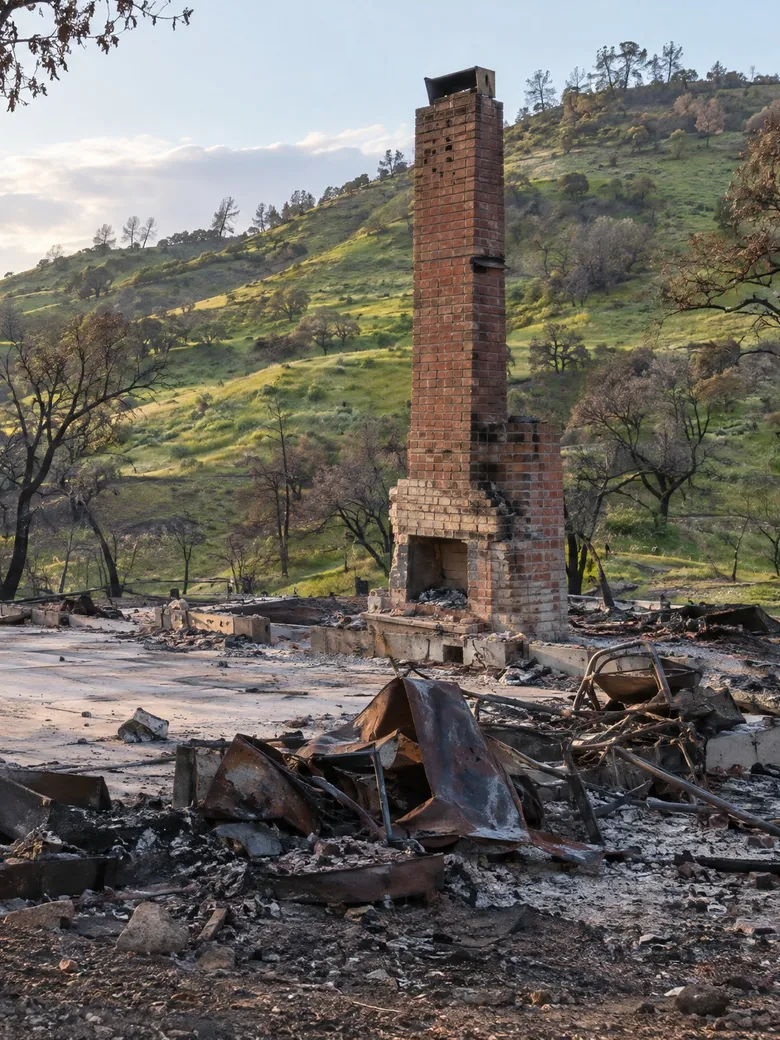
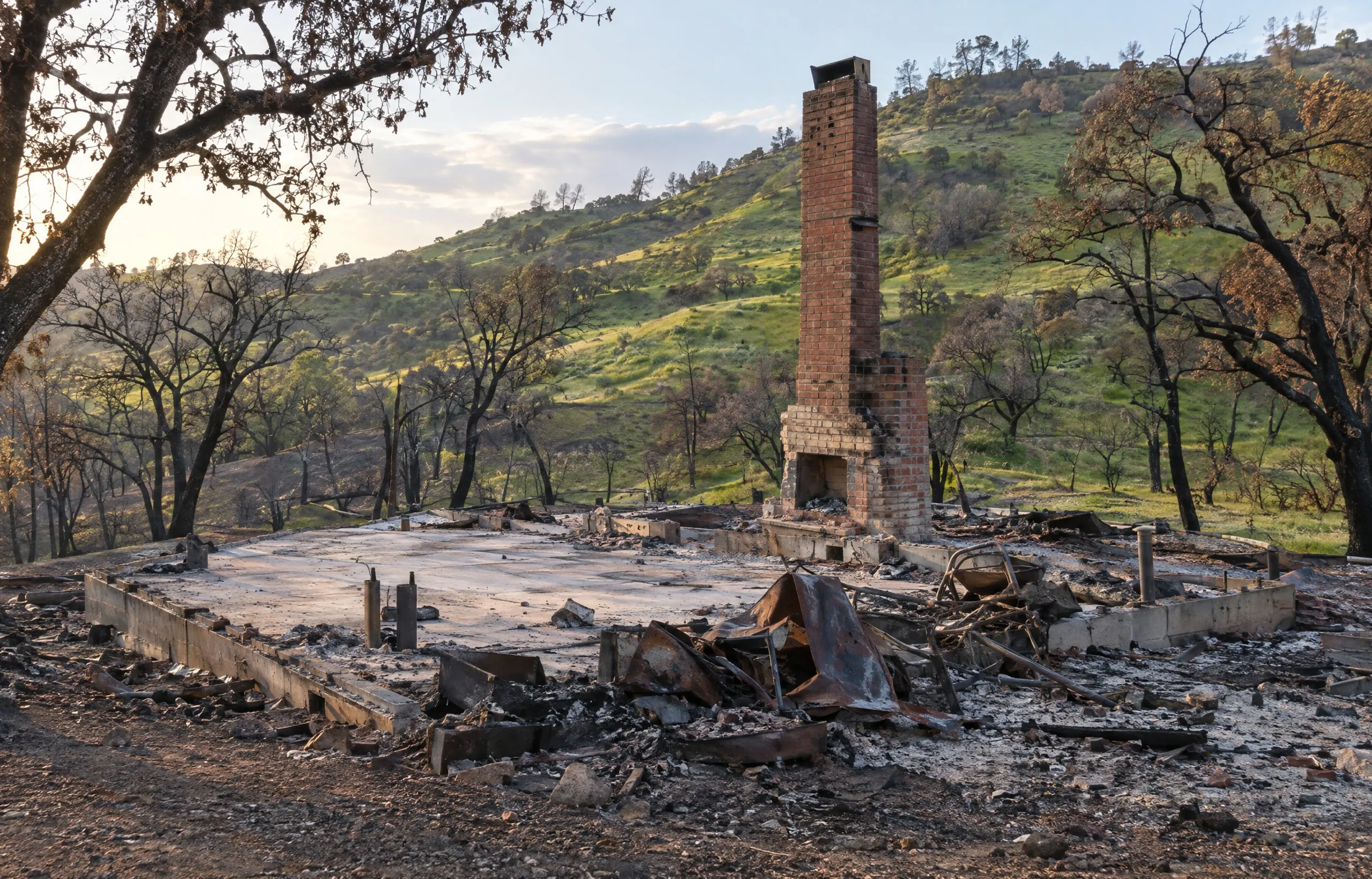
Some families come back to a chimney. Others come back to a house full of smoke. What you claim next depends on what’s still standing.
-
Total loss: the question is the rebuild number, code upgrades, debris removal, and if your limits are enough.
-
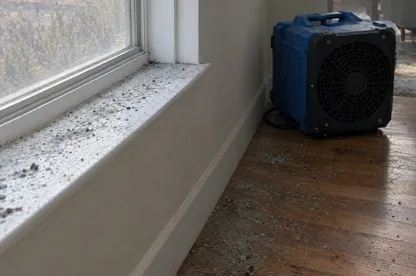
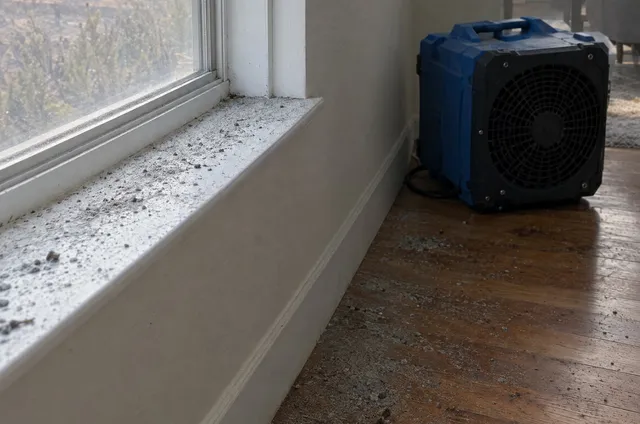
Standing home: the question is smoke, ash, and whether the house is truly fit to live in.
Smoke is chemistry. Combustion byproducts settle into porous materials, and the first estimate can miss them. On one smoke damage claim, the carrier offered $17,000. An industrial hygienist proved combustion byproducts in the porous materials and doors, and it settled for about $1.1 million.
Results reflect specific losses and policies. Past results don’t guarantee a similar outcome.
§ 02
First Steps After a Wildfire
- Don’t go back in until officials clear the property.
- Report the claim now, before you know the full loss.
- Ask for a complete copy of your policy, declarations page included. In California your insurer must send it free within 30 days of your request.
- Keep a claim diary. If an adjuster says something is excluded or limited, ask which policy provision says so.
- Save every receipt for living costs. You’re owed the same standard of living you had before the fire.
- Photograph and video everything before anything is moved, cleaned or hauled away.
- Don’t sign on the spot with anyone, including a public adjuster.
§ 03
The Foundation Decides the Rebuild Number.
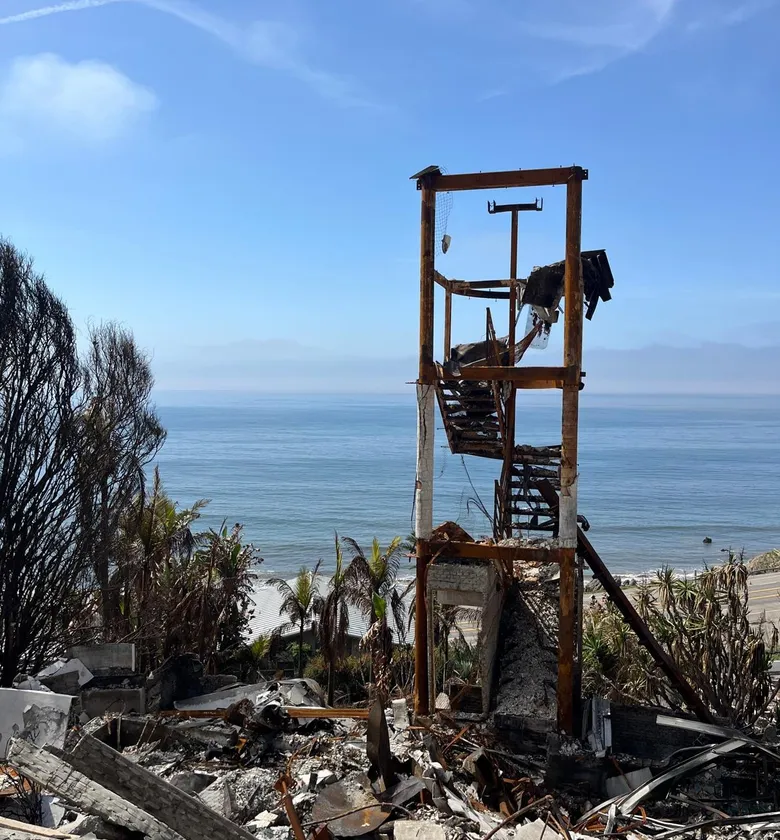
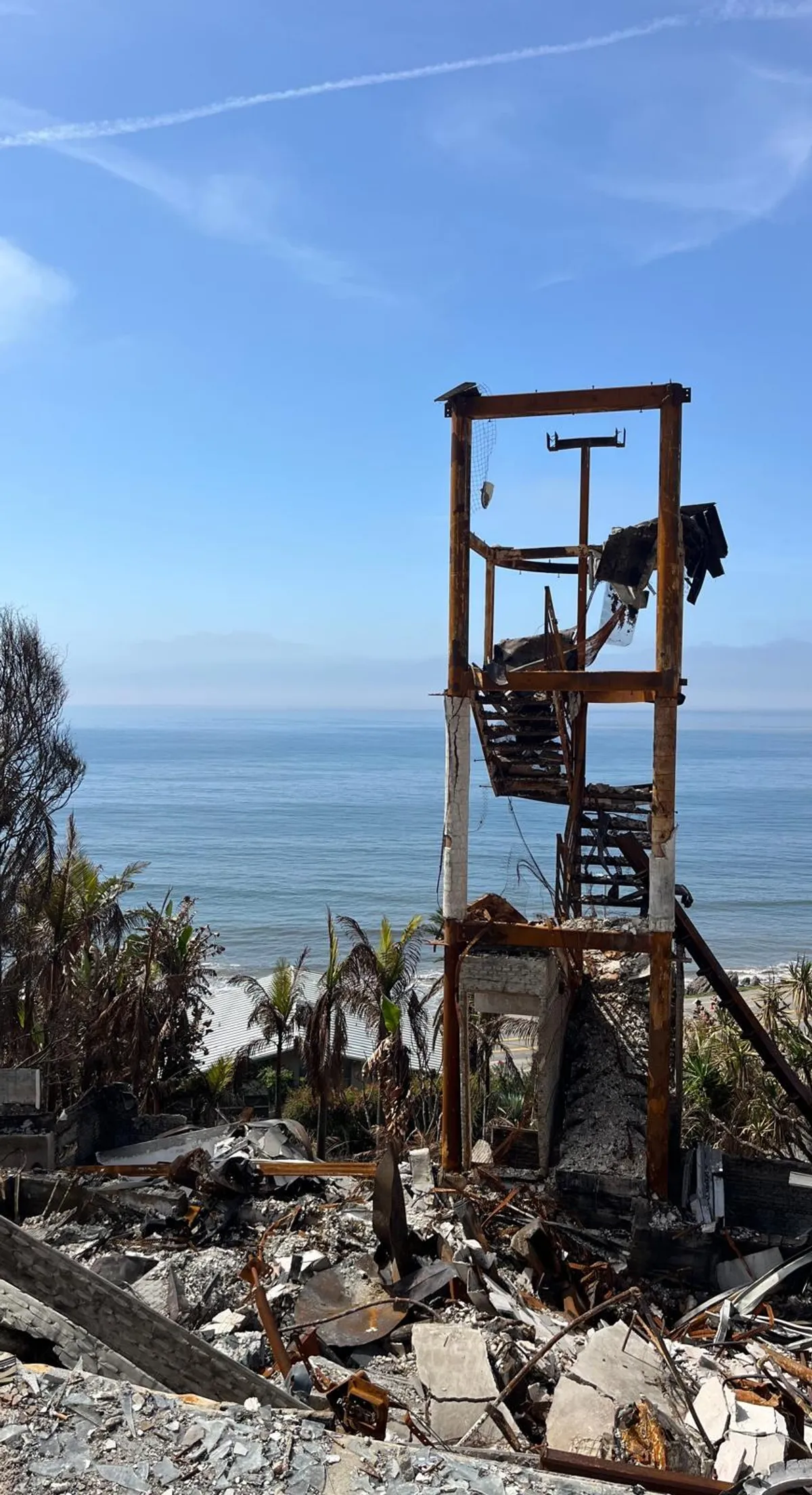
Can the foundation be reused? That’s an engineer’s call. Heat damaged concrete and rebar often can’t carry a new house, and that decision moves the rebuild number more than almost anything else.
Where the loss calls for it, we get structural review before any estimate assumes the foundation can stay.
§ 04
Price the Rebuild at What It Costs Now.
After a large fire, labor and materials can cost more than they did the week before. That’s demand surge. The California Department of Insurance warns that insurer estimates can miss it, along with local building conditions. We build the rebuild number line by line, at current prices, and check it against your limits.
§ 05
Underinsured Is Common.
After Washington’s August 2023 Gray and Oregon Road fires, 244 of 355 significant dwelling claims paid out their full limits. Of those 244, the 169 homes with extended replacement cost coverage recovered more than the policy limit.
Once you hit the dwelling limit, the other coverages have to carry the rebuild. Code upgrades. Extended replacement cost. Debris removal.
Don’t assume you’re underinsured before the loss is measured. Each coverage gets scoped on its own.
What California Policyholders Are Owed After a Declared State of Emergency
Policy terms and limits still apply.
At least 24 months. Up to 12 more if rebuilding is delayed by things beyond your control and you act in good faith.
On a total loss, the insurer must advance at least four months of living expenses if you ask.
At least 36 months from the first actual cash value payment to collect it, with extensions of 6 months for good cause.
You can rebuild or buy at another location and recover what rebuilding at the original site would have paid. The insurer can’t deduct the value of the land.
On a total loss of a furnished primary residence, the insurer must offer at least 60% of the contents limit, up to $350,000, without an itemized inventory (policies issued or renewed from July 1, 2026).
The insurer can’t require it sooner than 100 days after the loss, with extensions of 3 months for good cause.
24 months from the start of the loss.
Where the Market Stands.
In May 2026 the California Department of Insurance alleged 398 violations in 114 of 220 State Farm wildfire claims its examiners reviewed. These are allegations, not findings.
The carrier’s adjuster works for the carrier and settles the claim as the carrier reads the policy. That’s the job. You’re entitled to your own measurement of the loss.
If you believe a claim was mishandled, you can call the Department’s consumer hotline at (800) 927-4357.
Timing.
For homes in a declared catastrophic disaster area, California bars public adjusters from soliciting you until seven days after the event ends. It doesn’t apply if you call us first, and we call back the same business day.
In California you may cancel within three business days of signing and receiving the contract, or five calendar days if your property is in a declared catastrophic disaster area.
No upfront cost. We’re paid a percentage of what we recover. In California, our fee can never leave you with less than your insurer had already paid before you hired us.
If your insurer is already paying your contents and living costs in full, you may not need us. We’ll tell you so at the free review, before you sign anything.
Check any adjuster’s license with the California Department of Insurance. Ours is CA DOI License No. 6015234.
§ 09
Wildfire Insurance Claim Questions
Does homeowners insurance cover wildfire damage?
In most policies, yes. Fire is a covered peril in a standard homeowners policy, and wildfire is fire. The dwelling, other structures, contents and loss of use each carry their own limit, listed on your declarations page.
What is demand surge, and will my insurance pay for it?
Demand surge is the rise in labor and material prices after a disaster. On a replacement cost policy, dwelling coverage pays what it costs to rebuild, up to your limit. Extended replacement cost, if your policy has it, can pay above that limit.
Can I rebuild somewhere else and still get paid?
Yes, in California. You can rebuild or buy at another location and recover what rebuilding at the original site would have paid, with no deduction for the value of the land. You also choose your own contractor.
Do I have to list every item I lost?
Not always one by one. After a total loss of a primary residence in a declared emergency, California insurers must accept an inventory grouped by category, such as clothing or books, where listing each item is impractical. On policies issued or renewed from July 1, 2026, the insurer must also offer a contents payment without an itemized claim if the home was furnished. Anything above that payment still has to be documented.
Is it too late to hire a public adjuster after I’ve been paid?
Usually not. While the claim is open, we can review what’s been paid and measure what’s missing. In California, our fee can never leave you with less than your insurer had already paid before you hired us.
How is a public adjuster different from the insurance company’s adjuster?
The insurance company’s adjuster works for the insurer. A public adjuster is licensed by the state and works for the policyholder. We represent the insured only.
Call Before the Carrier Sets the Narrative.
Your insurance company has an adjuster protecting their interests. You have the right to one too.
Monday to Friday, 9 AM to 5 PM Pacific