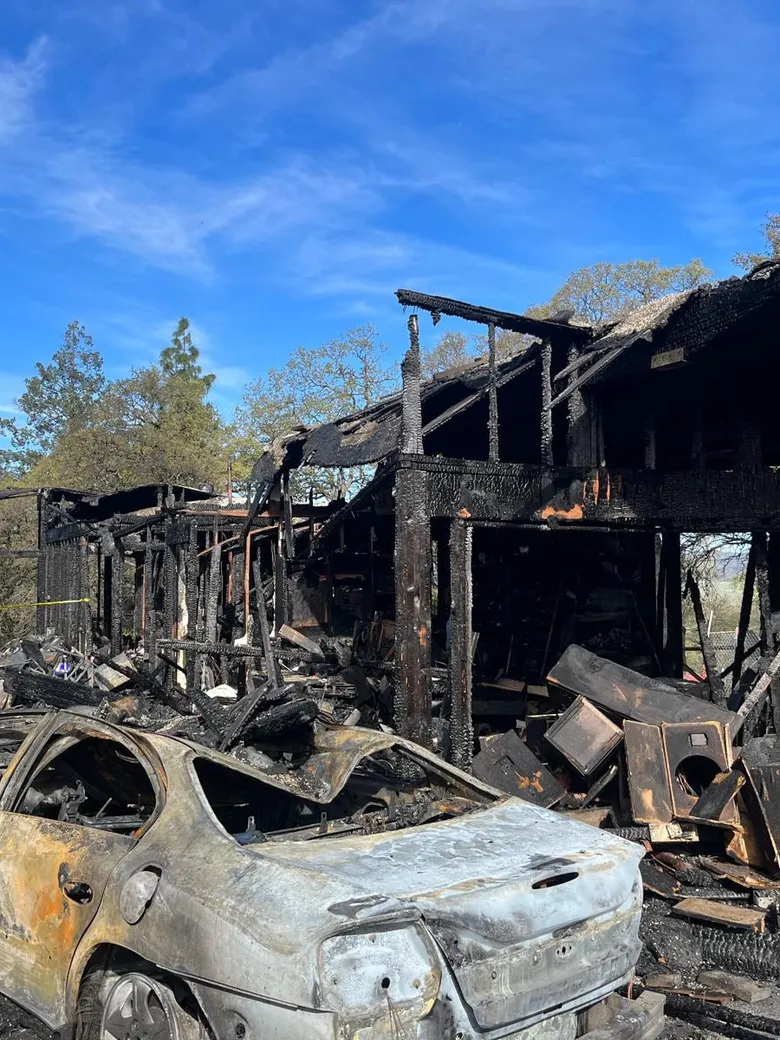
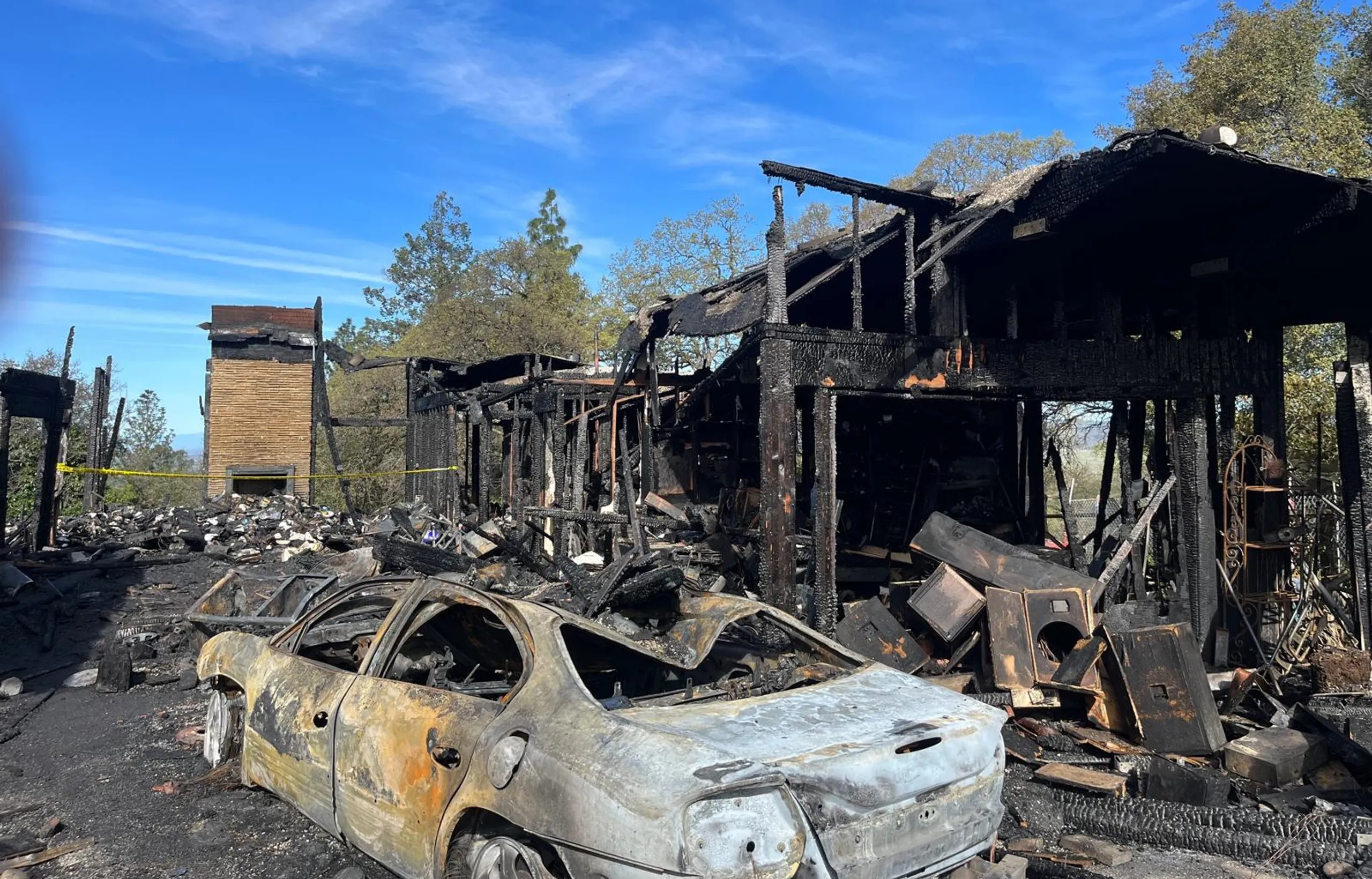
Field photograph
Your Home. Fully Recovered.
Public Adjuster for Home Insurance Claims
A public adjuster for a home insurance claim is a licensed adjuster who works for you, not the insurance company. We read your policy and measure the full loss: the house, other structures, contents and the cost of living elsewhere. We build the claim and negotiate it with your insurer. A senior adjuster leads every claim, from the first call to the final settlement. You decide on every offer.
- No upfront cost
- You always have final say on any settlement
- CA DOI License No. 6015234
When your home is damaged, your insurer sends their adjuster. We send ours: a senior adjuster who measures what your rebuild will cost and won’t let the carrier set the scope.
Four Buckets. We Measure Each One.
-
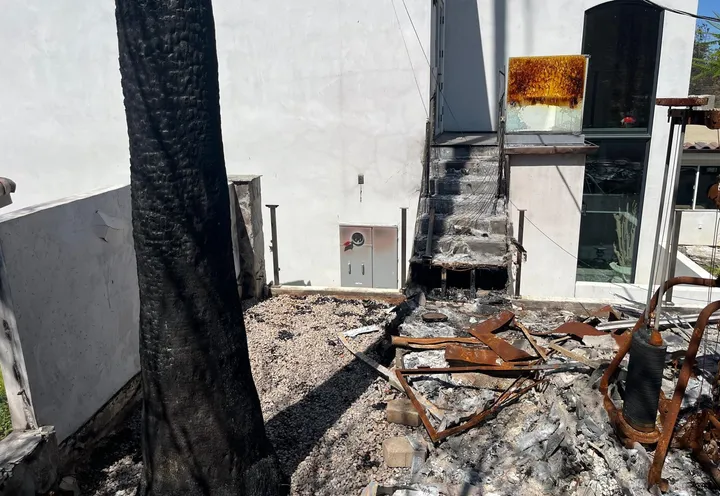
Dwelling. The structure, returned to its condition before the loss and to current code.
-
Other structures. Fences, decks, garages, barns, guest houses.
-
Contents. Everything inside, from furniture to fine art.
-
Loss of use. Comparable living while you’re displaced, including pet accommodations where your policy allows.
Your declarations page shows the limits. We read all four before we write a line of scope.
Losing a home, even for a few months, upends a family. That is why loss of use gets measured as carefully as the framing. Additional living expenses · Contents and valuables claims
Home Insurance Claims We Handle
Every loss leaves different evidence. Start with the one that matches your home.
- Fire and smoke damage claims
- Wildfire insurance claims
- Water and plumbing damage claims
- Wind, hail and falling tree claims
- Contents and valuables claims
- Additional living expenses
- Code upgrades and ordinance or law coverage
- Denied or underpaid claims
A business property instead? See commercial claims.
Your insurer’s adjuster already came out? Good. We start from their estimate and measure what it left out.
- Fire, wildfire and smoke losses
- Water and plumbing failures
- Trees and falling object damage
- Collapse: snow load and structural
- Ordinance or law and code upgrades
- Contents valuation and inventory
- Additional living expenses (ALE)
- Lead, asbestos and mold remediation analysis
We work from the carrier’s own line items, room by room. Every number we add comes with the measurement behind it.
Schedule a Free Review§ 04
What the Carrier Offered. What We Recovered.
- Los Angeles house fire, full strip out. Offered $38,000. Settled at $276,000.
- Smoke damage. Offered $17,000. Settled for about $1.1 million. An industrial hygienist proved combustion byproducts in the porous materials and doors.
- 800 sq ft apartment fire, started by a computer. Settled for nearly $200,000, including the tongue and groove ceiling and smoke mitigation for the neighboring unit.
- A denied total loss. A $1.4 million total loss was denied because the homeowner was welding for his business in the garage. The policy excluded business operations. We read the exclusions at the free review, so you know early where a claim stands.
Results reflect specific losses and policies. Past results don’t guarantee a similar outcome.
§ 05
Depreciation Is Held Back. Not Lost.
If your policy makes you repair or replace before it pays full replacement cost, California law has the insurer pay actual cash value until you do. The amount held back, called recoverable depreciation, comes after. That second payment runs on a deadline.
In California, a policy can’t give you less than 12 months from the first actual cash value payment to collect full replacement cost. After a declared state of emergency, the minimum is 36 months. If you act in good faith and hit delays outside your control, your insurer must grant six month extensions. The law names permit delays, material shortages and contractors who aren’t available.
After a total loss, you may rebuild or buy somewhere else. California law bars the policy from limiting or denying replacement cost or code upgrade cost for that choice. The payment is capped at what rebuilding at the original site would cost. The land at the new site can’t be deducted.
§ 06
Before You Sign With Any Public Adjuster
- Check the license. California requires a public adjuster to hold a state license. Ours is CA DOI License No. 6015234.
- Ask who will work your claim. Ours is led by a senior adjuster, from the first call to the final settlement.
- Find the fee in the contract. California requires the contract to state the fee and to say “We represent the insured only.”
- Don’t sign on the spot with anyone, including us. In California you may cancel within three business days of signing and receiving the contract, or five calendar days in a declared catastrophic disaster area.
- Know the solicitation rules. California bars a public adjuster from soliciting you during the loss. That covers the time responders are on site or an evacuation order is in effect. Contact between 6 p.m. and 8 a.m. is barred unless you asked for it.
§ 07
When You May Not Need Us
On a small loss, or when the carrier’s offer is already fair, our fee may outweigh what we add. We’ll tell you so at the free review, before you sign anything. And no public adjuster can recover more than your policy pays.
§ 08
Questions About Hiring a Public Adjuster for a Home Insurance Claim
What does a public adjuster do on a home insurance claim?
A public adjuster reads your policy, measures and documents the damage, builds the claim and negotiates it with your insurer. They work for you, not the insurance company. On a home claim that covers all four buckets: dwelling, other structures, contents and loss of use.
My insurance company already sent an adjuster. Why would I need another one?
Their adjuster works for the insurance company. A public adjuster is licensed to work only for you, the policyholder. We start from their estimate and measure what it left out.
How much does a public adjuster cost for a home claim?
No upfront cost. We’re paid a percentage of what we recover. In California, our fee can never leave you with less than your insurer had already paid before you hired us. The fee is written into the contract before you sign.
Can a public adjuster reopen a denied or underpaid home claim?
Yes, when the policy supports it. We read the denial letter against the policy language and measure the scope the carrier left out. Some denials follow the policy, like the business exclusion above, and we’ll say so at the free review.
When is it too late to hire a public adjuster?
If you already have an offer, it’s often not too late. Bring us in before you accept it, and before anything is thrown away. That gives us the most room to work.
Will a public adjuster slow down my claim?
It can. A Florida state study of Citizens Property Insurance claims (OPPAGA Report 10-06) found that claims with a public adjuster took longer to close and paid more before fees. Outside catastrophes, the median was 115 days with a public adjuster and 41 days without. More of the loss gets measured and argued, and that takes time.
Call Before the Carrier Sets the Narrative.
Your insurance company has an adjuster protecting their interests. You have the right to one too.
Monday to Friday, 9 AM to 5 PM Pacific