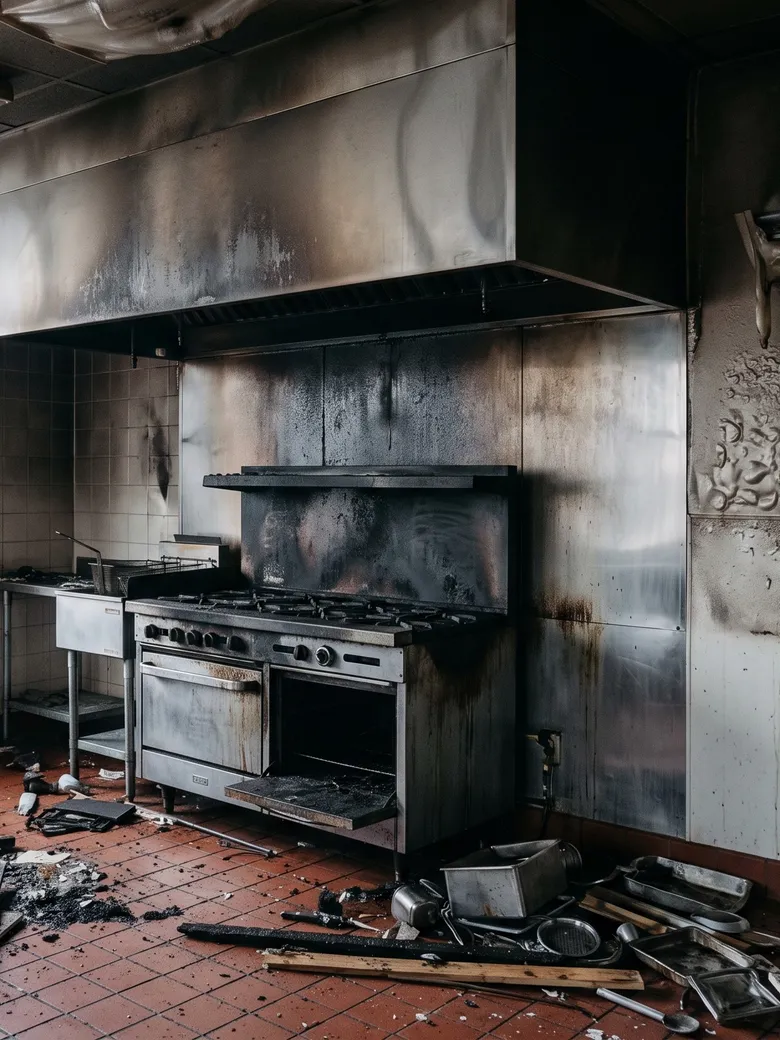
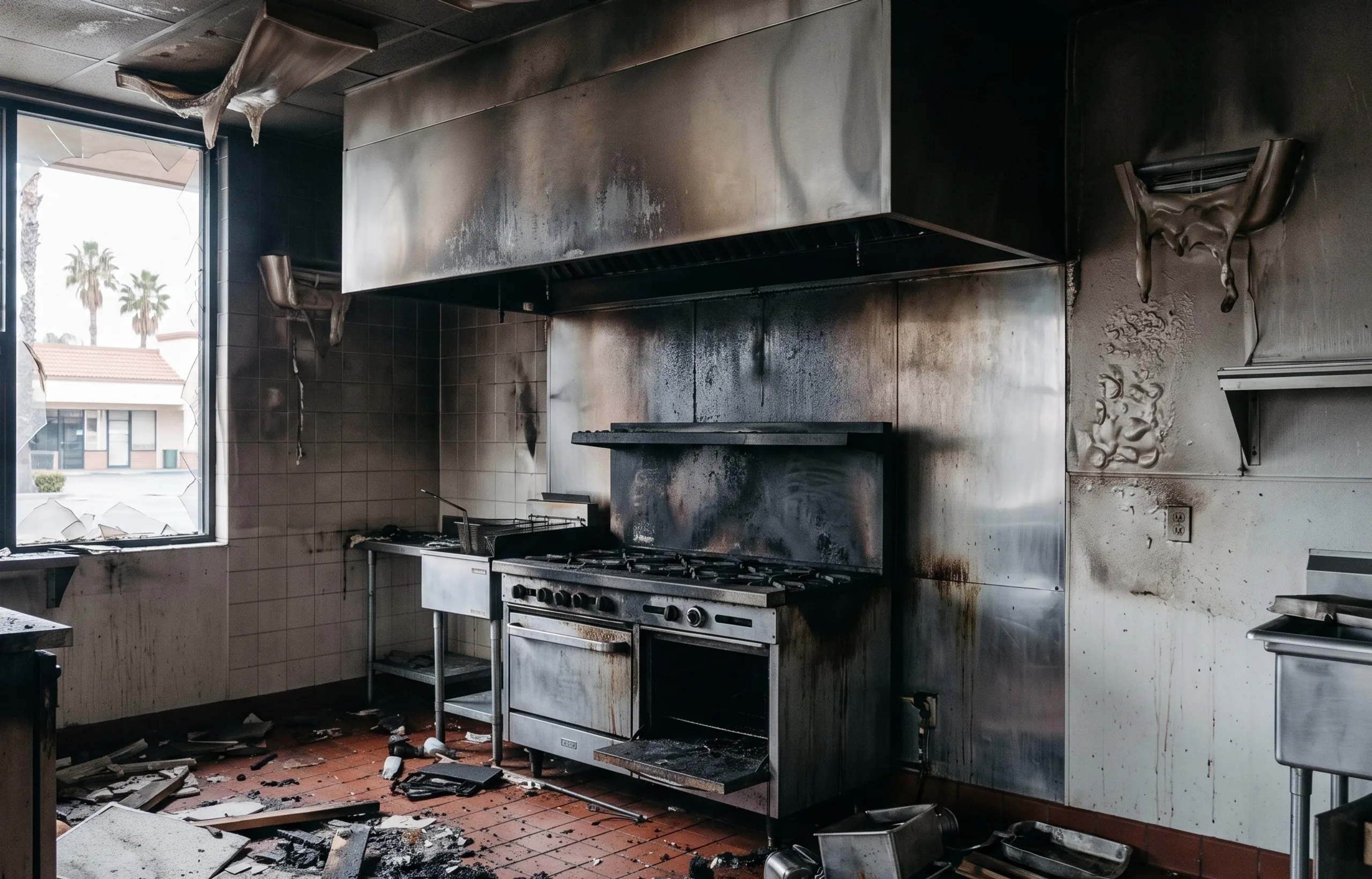
Your Business. Fully Recovered.
Commercial Public Adjuster for Business Property Claims
A commercial public adjuster is a licensed adjuster who works for the business owner on a property claim, not for the insurance company. Blue Star Adjusters reads your commercial policy, measures the physical loss, has a forensic accountant build your lost income from your books, and negotiates the claim with your insurer. A senior adjuster leads every claim, from the first call to the final settlement.
- No upfront cost
- You always have final say on any settlement
- CA DOI License No. 6015234
What a Commercial Public Adjuster Does on a Business Claim
Commercial claims are more complex: more code requirements, more stakeholders, more ways for carriers to undervalue the loss.
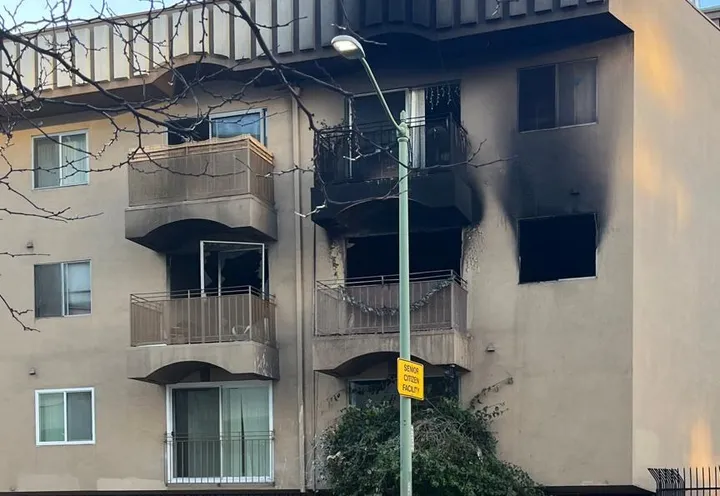
When a business burns, payroll, customers, suppliers and the landlord all wait on the same scope. We write that scope first.
-
Loss of income and extra expense, built from your books by a forensic accountant.
-
Tenant improvements vs. building: who owns what, and whose policy pays.
-
Inventory and equipment, at replacement cost where the policy allows.
-
Code: we meet building officials early, so the rebuild scope reflects what the city will actually require.
-
Xactimate and IH reports: we rebuild the carrier’s estimate line by line, and read the industrial hygienist’s report before the carrier does.
Blue Star is licensed in California, Nevada, Oregon, Washington, Arizona and Colorado.
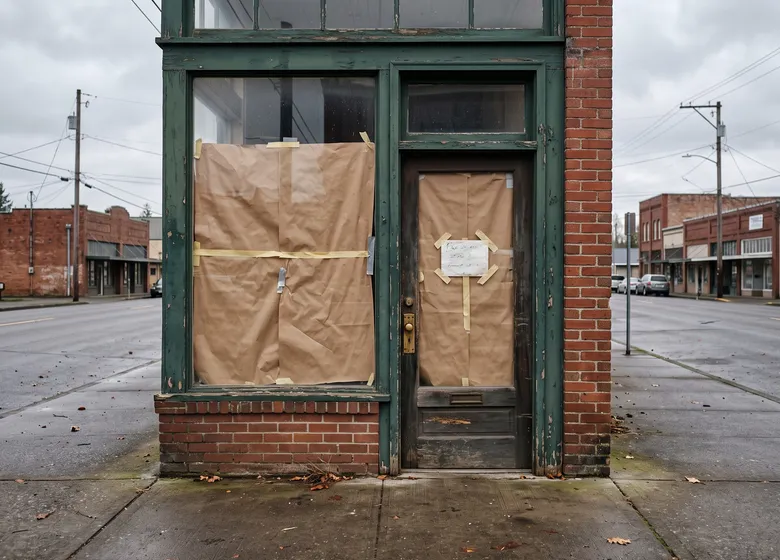
Commercial Claims We Handle
- Fire, water and structural losses
- Business interruption and loss of income
- Dependent property and contingent business interruption
- Equipment breakdown and failure claims
- Ordinance or law and seismic code upgrades
- Rebuild cost estimating and Xactimate
- IH report interpretation and remediation scope
- Demand packaging, and claim records for your attorney
§ 03
Business Interruption Claims: How Lost Income Is Measured
Your property can be rebuilt. The months your doors were closed have to be proven in numbers.
Business income coverage pays the net income you would have earned, plus the normal operating expenses that keep running, payroll included. That is how the standard ISO business income form defines it. It is triggered by direct physical loss or damage from a covered cause. A shutdown with no physical damage usually isn’t covered.
What decides the size of the claim:
- The period of restoration. In the standard form, income loss starts counting 72 hours after the damage. It ends when the property should be repaired with reasonable speed, or when you reopen at a new permanent location.
- Extended business income. Revenue rarely snaps back the day you reopen. The standard form pays for a set number of days after reopening, and an option called the extended period of indemnity can lengthen it.
- Extra expense. The costs you take on to keep operating, such as temporary space, rented equipment and advertising. In the standard form these start right away, with no waiting period.
- Coinsurance. If your business income limit is lower than the policy requires, the carrier reduces what it pays in proportion. Coinsurance doesn’t apply to extra expense.
The carrier may bring its own accountant. Ours works for you and builds the claim from your books.
§ 04
Contingent Business Interruption: When the Damage Is Somewhere Else
The standard business income form responds to damage at your own premises. Sometimes the fire is at your supplier, or at the anchor store that brings your customers in.
That loss falls under dependent property coverage. The standard ISO versions are endorsements, and some cover only the businesses named on a schedule. We read the schedule first.
- Contributing location. A supplier your business depends on for materials or components.
- Recipient location. A customer your business relies on to buy its goods or services.
- Leader location. A nearby business that draws customers to you.
A related coverage, civil authority, can pay when a government order blocks access to your property because of damage elsewhere. It has its own waiting period and a short time limit, set by your form’s edition.
§ 05
Tenant Improvements vs. Building: Whose Policy Pays
A tenant’s build out sits inside someone else’s building. Flooring, lighting and counters installed for a tenant are called improvements and betterments. Once permanently installed, they can’t be removed when the tenant moves out.
So two policies can point at each other. The landlord’s carrier can say the build out belongs to the tenant. The tenant’s carrier can say it became part of the building.
We read the lease beside both policies, so the improvements are claimed under the right one.
§ 06
Inventory and Equipment
Actual cash value is the most common way a commercial policy values property. Unless the policy defines it otherwise, actual cash value in California means fair market value. Replacement cost pays for new property of like kind and quality.
Which one your policy uses changes every line on the inventory. We price stock, fixtures and machinery at replacement cost where the policy allows it.
Equipment that failed on its own is a different claim from equipment that burned. Most commercial property policies exclude boiler and machinery losses. That risk is covered by a separate policy, sold under names like machinery breakdown or systems breakdown.
§ 07
Code Upgrades on a Commercial Rebuild
Often the city won’t let a commercial building go back the way it was.
Upgrades such as seismic bracing and fire sprinklers can apply once the permit is pulled. Ordinance or law coverage can pay for the undamaged portion of the building, its demolition, and the higher cost to rebuild to code. That last part needs replacement cost in effect.
Code work also costs time. In the standard business income form, the period of restoration doesn’t include extra time caused by enforcing building codes. We read whether your policy changes that, and we meet building officials early so the scope reflects what the city will actually require.
§ 08
Xactimate Estimates and Industrial Hygienist Reports
When the carrier’s estimate is written in Xactimate, we rebuild it line by line, trade by trade, priced to current code.
On a smoke loss, an industrial hygienist (IH) tests the building for combustion byproducts. That report shapes what gets cleaned and what gets replaced. We read it before the carrier does, so its findings land in the scope and not in a footnote.
Smoke damage to a home.
Offered $17,000. Settled for about $1.1 million, after an industrial hygienist proved combustion byproducts in porous materials and doors.
§ 09
Demand Packages and Your Attorney
We don’t give legal advice. When a claim needs counsel, we work alongside your attorney.
What we bring is the record. The scope, the income calculation, the IH findings and the carrier’s own estimate, side by side in one claim package.
§ 10
When a Commercial Public Adjuster May Not Be Worth It
On a small loss, or when the carrier’s offer is already fair, our fee may outweigh what we add. We’ll tell you so at the free review, before you sign anything.
§ 11
Questions About Hiring a Commercial Public Adjuster
How much does it cost to hire a commercial public adjuster?
No upfront cost. We’re paid a percentage of what we recover. In California, our fee can never leave you with less than your insurer had already paid before you hired us. The review is free.
How long does a commercial insurance claim take?
Often longer with a public adjuster, not shorter. A 2010 Florida state study of claims at Citizens Property Insurance (OPPAGA Report 10-06) found that claims with a public adjuster took longer to settle and paid more before fees. More of the loss gets measured and argued, and that takes time.
How is a commercial claim different from a residential claim?
There are more coverages and more people with a stake in the outcome. A business claim can include lost income, extra expense, a landlord’s policy, equipment, inventory and code work, all on one loss. Each one is measured on its own.
When should a business call a public adjuster?
As early as you can, before the first estimate is final and before anything is thrown away. If you already have an offer, it’s often not too late.
Should I give the insurance company’s accountant everything it asks for?
Give what the policy requires. Your policy lets the carrier examine and copy your books and records. Know what each record shows before it goes out. We build the income claim with our forensic accountant from those same records.
Does business interruption insurance cover a government ordered shutdown?
Usually not on its own. The California Department of Insurance says business interruption coverage requires direct physical loss or damage, and that civil authority coverage also requires physical damage. Most commercial policies also exclude loss from a virus.
Call Before the Carrier Sets the Narrative.
Your insurance company has an adjuster protecting their interests. You have the right to one too.
Monday to Friday, 9 AM to 5 PM Pacific